
Featured Guide
The Complete Guide to Buckwheat Pillows
Everything you need to know about buckwheat pillows: Benefits, comparisons, myth-busting, expert tips, and why they work. Read the full guide.
Read The Full GuideYour place for everything buckwheat pillow-related.
Read expert guides, comparisons, myths, and care tips.
Discover why buckwheat pillows are a game-changer for sleep. Our complete guide covers benefits, comparisons, myths, and how to choose the right one.

Everything you need to know about buckwheat pillows: Benefits, comparisons, myth-busting, expert tips, and why they work. Read the full guide.
Read The Full Guide
Your ultimate checklist for buying a buckwheat pillow: consider comfort, firmness, adjustability, quality, breathability, and eco-friendly materials for the perfect night's sleep.
Read The Full Guide
Explore the fascinating origins and unique features of buckwheat pillows. Discover how these naturally sustainable sleep accessories evolved over time.
Read Article
Uncover the remarkable advantages of buckwheat pillows, from superior neck support and natural cooling to enhanced sleep quality.
Read Article
Delve into our detailed size guide and learn how to select the perfect buckwheat pillow for your individual sleep style.
Read Article
Follow our friendly, step-by-step guide to unlocking the full potential of your buckwheat pillow. Packed with practical tips for molding the hulls.
Read Article
Discover simple yet effective cleaning methods to keep your buckwheat hull pillow fresh and hygienic. Learn best practices for maintaining optimal performance.
Read Article
Learn the telltale signs that your buckwheat husk pillow needs replacing. Stay ahead of wear and tear with expert insights.
Read Article
Explore a comprehensive look at the unique benefits of buckwheat pillows. From natural support to sustainable design, discover why more sleepers are choosing this.
Read Article
A buckwheat pillow can feel too firm, too high, or too noisy when it is not adjusted correctly. Learn the most common buckwheat pillow mistakes and how to fix them.
Read Article
Most people need a few nights to get used to a buckwheat pillow. Learn how sleep position, shoulder width, mattress firmness, and fill level affect setup.
Read Article
Delve into a detailed comparison of buckwheat hulls and millet hulls. Understand their unique properties and benefits to help you make an informed choice.
Read Article
Discover how the ergonomic design of a buckwheat pillow can help reduce facial pressure, potentially minimizing wrinkle formation.
Read Article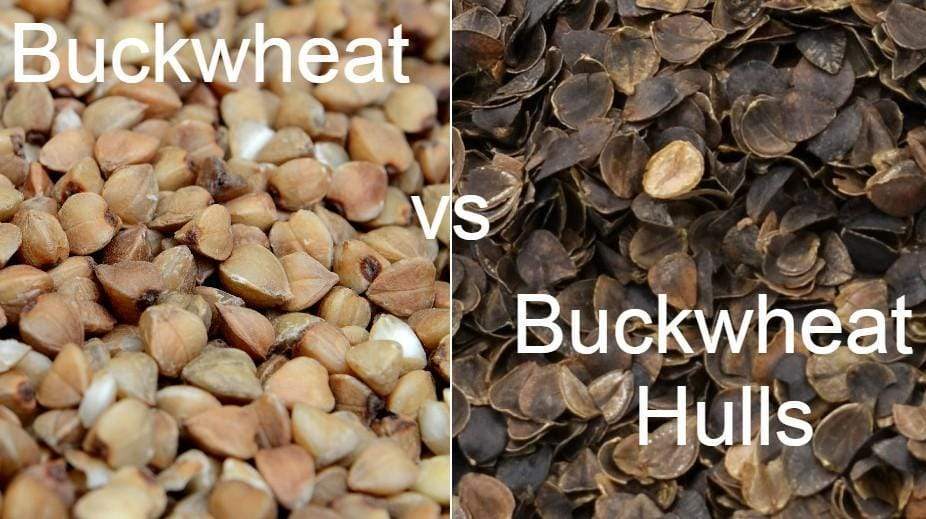
Gain insightful comparisons between buckwheat pillows filled with whole buckwheat and those using only the hulls.
Read Article
Debunk common misconceptions about buckwheat pillows and bugs. This article presents factual insights and reassurances so you can rest easy.
Read Article
Explore practical and adventure-friendly tips for taking your buckwheat pillow on the road. Whether camping or traveling, learn how to maintain comfort.
Read Article
See how buckwheat and millet pillows stack up in every category. This in-depth comparison covers comfort, support, care, and which fits your needs.
Read Article
Take a behind-the-scenes look at the step-by-step process of crafting a premium buckwheat pillow—from field to finished product.
Read Article
Discover the honest pros and cons of sleeping on buckwheat pillows. From long-term support to possible drawbacks, get a balanced view before you buy.
Read Article
A transparent look at the reasons behind our shift in manufacturing. Understand the quality, sustainability, and logistical factors that shaped this decision.
Read Article
From bamboo to linen, discover the best pillowcase fabrics to complement your buckwheat pillow. Improve airflow and feel with the right cover.
Read Article
Think you know everything about buckwheat pillows? Think again. From folklore to fringe science, this lighthearted read uncovers strange trivia.
Read Article
Discover how buckwheat pillows support better posture and comfort during meditation sessions. Learn why their natural firmness makes them an ideal companion.
Read Article
Take a pediatrician-inspired look at how buckwheat pillows may benefit children’s sleep. Explore safety tips, support advantages, and how to choose.
Read Article
Understand the science behind buckwheat pillows. Learn how the hulls naturally conform to your head and neck, offering breathable, adjustable support.
Read Article
Unlike many companies, we go the extra mile. Explore our exclusive 4-step cleaning process and why it results in cleaner, safer, longer-lasting pillows.
Read Article
How does buckwheat compare to memory foam? We break it down by support, heat retention, customization, and long-term value.
Read Article
Discover the chiropractor-backed reasons buckwheat pillows relieve neck pain—and how they outperform synthetic options.
Read ArticleA Sobakawa buckwheat pillow adapts to your shape, offering adjustable support and encouraging airflow. Its natural hull fill helps maintain spinal alignment and can ease neck and shoulder tension.

Curious about a softer option? Explore our millet-hull pillow for a gentler feel.
Absolutely. First-time users often notice the custom-fit comfort after a few nights—the hulls settle to support your preferred sleep position.
Check out our article about how to use a buckwheat sleeping pillow for more information.
Ideal for anyone seeking ergonomic support—side and back sleepers, those prone to overheating, or anyone uncomfortable with traditional foam or down pillows.

Stomach sleepers typically prefer lower-loft pillows. Buckwheat pillows can be adjusted to a flatter fill, offering optimal support for stomach sleeping positions.
Buckwheat hulls are a renewable, biodegradable resource, making them an environmentally responsible choice compared to synthetic materials like foam.
No. Because buckwheat hulls shift rather than compress permanently, your pillow maintains its supportive structure much longer than traditional pillows.
The firm yet flexible hull fill keeps your neck aligned, reducing pressure points and helping to relieve soreness over time.

Yes. You can add or remove buckwheat hulls to achieve the right loft, supporting your shoulders and neck when you sleep on your side.

Buckwheat hulls allow continuous airflow through the fill, so heat disperses instead of building up like in memory foam.

Once you customize the fill, most users find the balance of firmness and breathability very comfortable.
A gentle rustle can occur as you move, which some find soothing. It’s the natural sound of the husks shifting.
Yes. The adjustable firmness and stable support of buckwheat pillows can help reduce pressure on shoulders, alleviating discomfort over time.
Buckwheat pillows are notably firmer yet adaptable, providing personalized support unlike typical "firm" pillows that offer static hardness.
By supporting proper head and neck alignment, buckwheat pillows can sometimes reduce snoring caused by poor sleep posture.
Use the zippered cover to add or remove hulls until you reach your preferred density and height.

With basic care, a quality hull pillow can last 5–10 years. Refresh the fill by adding new buckwheat hulls as needed.
We recommend refreshing your hulls every 2–3 years, depending on usage, to maintain optimal support and hygiene.
It's advisable to use a pillowcase or protective cover to keep your pillow clean and extend its lifespan.
Our guide on the best pillowcase materials to pair with buckwheat pillows explains what fabrics work best.
Yes, buckwheat pillows are travel-friendly, though heavier than typical travel pillows. You can remove some hulls to lighten it during trips.
Remove the hulls, machine-wash the cover on a gentle cycle, and air-dry completely before refilling.
Read our Cleaning Guide for more info.
No. The kernels are dry and inedible, which naturally deters pests and dust mites.
Most allergy sufferers tolerate them well, thanks to their chemical-free, natural materials. Anyone with a known buckwheat sensitivity should consult a doctor.

No, always remove the hulls before washing the cover to avoid damaging your pillow and ensure complete drying.
Periodically air out your pillow in sunlight to naturally refresh the hulls and prevent odors or moisture accumulation.
Yes, the breathable nature of buckwheat hulls significantly reduces moisture build-up, preventing mold and mildew growth.
Imagine a pillow made entirely of natural buckwheat hulls nestled inside a light, breathable cotton cover—that’s a true Sobakawa pillow. Unlike the synthetic stuffing in most mass-market pillows, this one uses 100% buckwheat for a cool, supportive sleep.
Want to dive deeper into its history and perks? Check out what makes a buckwheat pillow so special.
How soba-straw weaving comes into playContainer and cover: Before fine cotton was everywhere, Japanese artisans wove bundles of buckwheat straw into mats or tubes. These woven sleeves were the original “pillowcase,” keeping the hulls neatly in place.
Breathability & moisture control: The loose straw weave lets air circulate around the hulls, so they stay cool, dry and mold-resistant. That same airflow is why modern buckwheat pillows feel so ventilated.
Shape & support: A straw-woven sleeve offers a firm yet flexible shell. It holds the hulls snugly so they shift under your neck, while the weave itself springs back to maintain shape.
Sustainable craft tradition: Straw weaving was a common rural craft for mats and baskets. By using both straw and hulls from the same harvest, artisans created zero-waste pillows deeply rooted in local heritage.
Today’s Sobakawa-style pillows use a fabric cover instead of straw, but they still honor that original woven structure—providing the perfect balance of airflow, contouring support, and lasting durability.

We hand-assemble pillows using ultra clean, heat-treated hulls in sturdy, eco-friendly fabric for lasting quality. Learn how buckwheat pillows are made in general—from harvest to final fill .

Our pillows feature all-natural, chemical-free buckwheat hulls in breathable cotton covers, super soft and skin-friendly bamboo rayon pillowcases, as well as optional tencel or linen covers, ensuring durability and comfort.

No. Our buckwheat hulls are completely chemical-free, naturally cleaned, heat-treated, washed and UV treated for maximum safety and purity.
In 2023 we decided to move our pillow production outside the US. Depending on the pillow model, we now make our pillows in Southeast Asia (China, Thailand, Vietnam) and the Middle East (Turkey and Bulgaria).
Learn more about why we no longer make our pillows in the USA and how this shift helps us deliver better quality and consistency.